All Categories
Featured
Maintaining the Softness of Delicate Fabrics After Expert...
Maintaining the Softness of Delicate Fabrics After Profes...
Naturally Degradable Solutions Altering the Face of Home ...
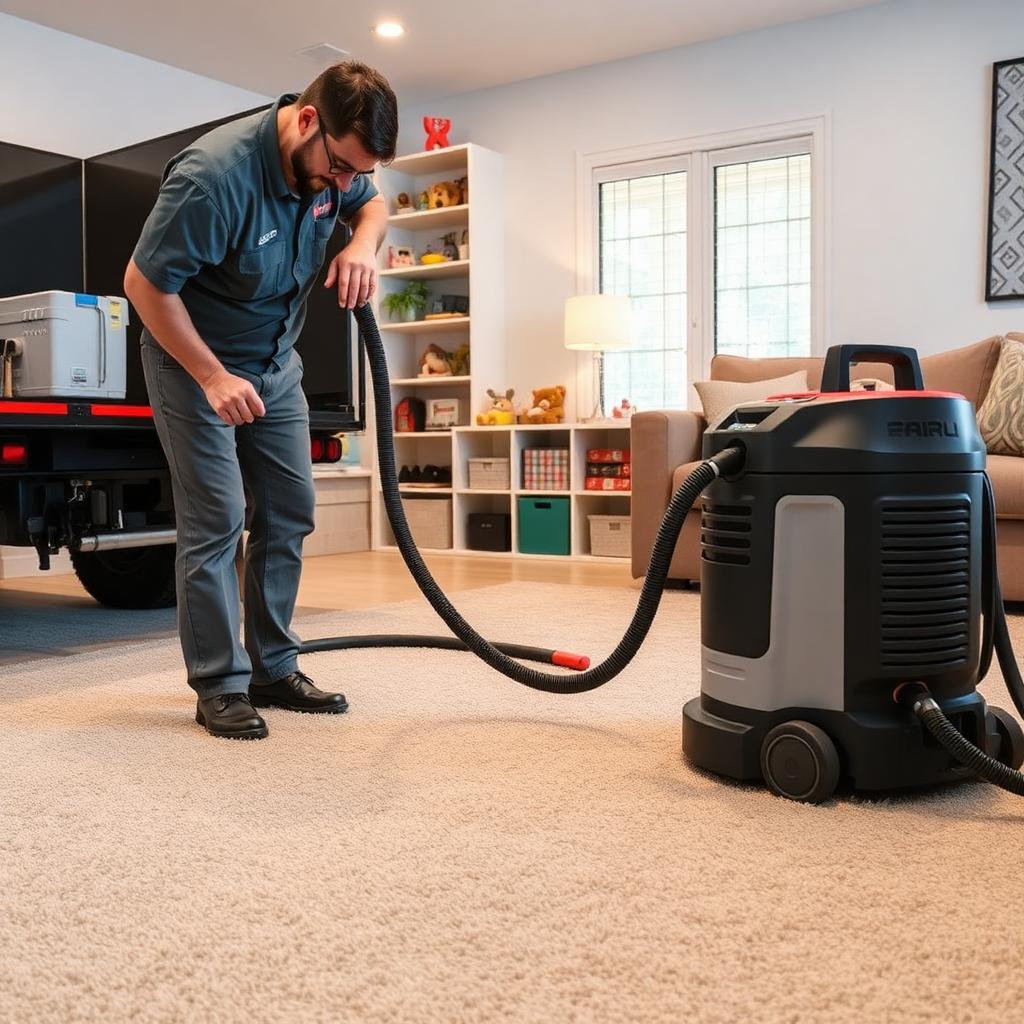
Ensuring Family Pet Safety Throughout the Carpet Drying P...

The Shift Toward Water-Saving Carpet Cleansing Technologies in 2026
Table of Contents
Modern Approaches to Residential Fabric Care in 2026
Residential living in 2026 focuses heavily on the intersection of indoor health and ecological responsibility. Households across the United States, from the humid neighborhoods of Jackson to the quiet borders of Alamo, are reviewing how they preserve their homes. The shift away from severe commercial chemicals towards biocompatible options has altered the method carpets and upholstery are treated. This movement is driven by a growing awareness of unstable natural substances (VOCs) and their long-lasting results on indoor air quality. In the modern home, the safety of the cleansing procedure is just as crucial as the visual result.
Preserving a tidy home no longer needs a trade-off with safety. Modern detergents now count on plant-derived surfactants and bio-enzymes that break down raw material without leaving behind harmful residues. These improvements mean that kids and pets can play on newly cleaned rugs immediately after treatment without risk of skin inflammation or respiratory distress. Numerous homeowners often search for specific competence in HydroClean LLC to keep high-end fabrics while adhering to these safety requirements. By choosing items that are pH-balanced and totally free from artificial scents, homes avoid the remaining "chemical smell" that was once a hallmark of deep cleansing.
The Increase of Low-Moisture Cleansing in Tennessee Households
In regions like West Tennessee, where humidity levels can change substantially, drying times for carpets and upholstery are a major issue. Extreme water usage in cleaning frequently leads to mold or mildew development deep within the fibers, particularly during the sweltering summertime. In 2026, the pattern has actually moved towards low-moisture extraction. This method uses about 80% less water than conventional steam cleansing, permitting fabrics to dry in 2 to four hours rather than 2 to four days. This performance is especially beneficial in the areas like Brownsville and Bells, where high indoor humidity can trap wetness in the subfloor.
Low-moisture methods also extend the life of the products by preventing the over-saturation of support materials. When carpet support gets too wet, it can delaminate or diminish, leading to long-term damage. Incorporating HydroClean Carpet & Floor Care Area Rug Cleaning into seasonal maintenance schedules helps protect wool, silk, and artificial blends alike. This proactive method avoids the breakdown of adhesives and fibers that typically accompanies high-heat, high-pressure water systems. Property owners find that their investments in quality flooring and furniture last considerably longer when they avoid the "soak and draw" approaches of the past.
Natural Solvent Alternatives for Upholstery Care
Furniture fabrics in 2026 have become more varied, with recycled polyester, natural cotton, and high-performance synthetics controling the marketplace. Traditional dry cleaning solvents, once typical for fragile products, have been mainly changed by biodegradable options that do not rely on perchloroethylene. Citrus-based solvents and oxygenated cleaners provide the same grease-cutting power as older petroleum-based products without the environmental footprint. These natural alternatives are effective at getting rid of oils, food spills, and animal dander while staying carbon-neutral and safe for the family.
Lots of families in West Tennessee are focusing on HydroClean Carpet & Floor Care in Tennessee to ensure a chemical-free home. Whether in Beech Bluff or Jackson, the choice for non-toxic services shows a broader cultural shift towards sustainability. The use of these solvents likewise avoids the "re-soiling" effect, where sticky soap residues bring in dirt faster after a cleaning. Modern plant-based cleaners rinse away completely, leaving the texture soft and the look renewed without the stiff sensation connected with older soap-based detergents. This makes sure that a sofa stays comfy and tidy for the long term.
Effect on Indoor Air Quality and Allergy Management
Carpets and upholstered furnishings act as filters for a home, trapping dust, pollen, and microscopic toxins. Nevertheless, when these filters end up being full, they launch particles back into the air each time someone sits on a sofa or strolls across a room. Regular extraction of these caught pollutants is necessary for managing allergic reactions, especially during the peak pollen seasons in Tennessee. The 2026 homeowner views fabric maintenance as a health need rather than a cosmetic luxury. Getting rid of these irritants decreases the load on the home's heating and cooling system and improves general respiratory health.
Advanced HEPA-filtration vacuum systems utilized during the pre-cleaning phase capture up to 99.9% of particulates down to 0.3 microns. This guarantees that the dust agitated throughout the cleansing process does not settle somewhere else in the home or irritate the eyes and nose of the locals. For families in Alamo and surrounding rural locations, where agricultural dust and seasonal pollens can be prevalent, this attention to air filtration is a crucial part of a healthy home environment. The outcome is a visible improvement in air freshness and a reduction in seasonal allergy signs for every single family member.
Sustainable Disposal and Item Life Process
The dedication to environmentally friendly fabric care in 2026 encompasses the disposal of cleansing wastewater. Modern expert devices typically includes on-board purification that separates debris from the water, enabling safe disposal in municipal drain systems. This avoids heavy metals or focused contaminants from getting in local waterways or soil. Property owners are increasingly asking about the biodegradable rankings of the items used in their homes, ensuring that the entire lifecycle of the cleaning procedure aligns with their ecological values. This transparency has become a basic expectation in the property service market.
The pattern of "repair and refresh" has surpassed the previous practice of replacing furnishings every few years. Top quality upholstery cleansing can restore a sofa to its original state, saving it from a garbage dump and minimizing the carbon footprint connected with producing new furniture. In 2026, the financial advantage of maintaining existing properties exceeds the cost of purchasing brand-new, specifically when sustainable cleansing approaches keep items looking new for a decade or more. This shift toward resilience and upkeep shows a more conscious approach to intake in American homes, where quality is valued over amount.

Property owners are now better geared up than ever to preserve their home without jeopardizing their health or the environment. The focus on plant-based chemistry, water conservation, and enhanced air quality makes sure that the modern residence remains a safe sanctuary. By selecting approaches that respect the fragile balance of material composition and indoor ecology, locals in West Tennessee and across the nation are setting a new requirement for home care. The development of fabric maintenance in 2026 shows that a clean home and a healthy planet can certainly exist in consistency.

Table of Contents
Latest Posts

Maintaining the Softness of Delicate Fabrics After Expert Cleansing

Maintaining the Softness of Delicate Fabrics After Professional Cleansing

Naturally Degradable Solutions Altering the Face of Home Care
Latest Posts
Maintaining the Softness of Delicate Fabrics After Expert Cleansing
Maintaining the Softness of Delicate Fabrics After Professional Cleansing
Naturally Degradable Solutions Altering the Face of Home Care