All Categories
Featured
Maintaining the Softness of Delicate Fabrics After Expert...
Maintaining the Softness of Delicate Fabrics After Profes...
Naturally Degradable Solutions Altering the Face of Home ...
Ensuring Family Pet Safety Throughout the Carpet Drying P...
Taking On Micro-Allergens in Low-Pile Residential Carpets
Table of Contents
Modern Approaches to Residential Fabric Care in 2026
Residential living in 2026 focuses greatly on the intersection of indoor health and ecological obligation. Households across the United States, from the damp neighborhoods of Jackson to the quiet outskirts of Alamo, are reassessing how they preserve their homes. The shift away from extreme commercial chemicals towards biocompatible solutions has actually changed the way carpets and upholstery are dealt with. This motion is driven by a growing awareness of volatile natural substances (VOCs) and their long-term impacts on indoor air quality. In the modern home, the security of the cleansing process is just as essential as the visual outcome.
Maintaining a tidy home no longer requires a trade-off with security. Modern cleaning agents now rely on plant-derived surfactants and bio-enzymes that break down raw material without leaving poisonous residues. These advancements indicate that children and animals can use freshly cleaned rugs right away after treatment without risk of skin inflammation or breathing distress. Lots of property owners frequently look for specific know-how in HydroClean Carpet & Floor Care Care to preserve high-end fabrics while sticking to these security requirements. By choosing items that are pH-balanced and devoid of artificial fragrances, homes prevent the sticking around "chemical smell" that was once a trademark of deep cleansing.
The Rise of Low-Moisture Cleansing in Tennessee Households
In regions like West Tennessee, where humidity levels can vary significantly, drying times for carpets and upholstery are a significant concern. Excessive water use in cleaning frequently leads to mold or mildew development deep within the fibers, especially throughout the sweltering summer months. In 2026, the trend has actually moved toward low-moisture extraction. This technique uses about 80% less water than standard steam cleansing, allowing materials to dry in 2 to 4 hours instead of two to 4 days. This efficiency is particularly useful in the areas like Brownsville and Bells, where high indoor humidity can trap moisture in the subfloor.
Low-moisture strategies also extend the life of the products by preventing the over-saturation of backing products. When carpet backing gets too wet, it can delaminate or diminish, resulting in irreversible damage. Integrating HydroClean LLC Commercial Floor Maintenance into seasonal maintenance schedules assists protect wool, silk, and synthetic blends alike. This proactive method prevents the breakdown of adhesives and fibers that typically accompanies high-heat, high-pressure water supply. Property owners find that their financial investments in quality flooring and furnishings last considerably longer when they avoid the "soak and suck" techniques of the past.
Natural Solvent Alternatives for Upholstery Care
Furniture materials in 2026 have become more diverse, with recycled polyester, natural cotton, and high-performance synthetics controling the market. Conventional dry cleansing solvents, once common for delicate materials, have been largely changed by biodegradable options that do not depend on perchloroethylene. Citrus-based solvents and oxygenated cleaners provide the exact same grease-cutting power as older petroleum-based items without the ecological footprint. These natural options are effective at eliminating oils, food spills, and animal dander while remaining carbon-neutral and safe for the home.
Lots of households in West Tennessee are focusing on HydroClean Carpet & Floor Care for Homeowners to make sure a chemical-free home. Whether in Beech Bluff or Jackson, the choice for non-toxic solutions shows a more comprehensive cultural shift towards sustainability. Making use of these solvents also avoids the "re-soiling" result, where sticky soap residues attract dirt quicker after a cleansing. Modern plant-based cleaners rinse away totally, leaving the texture soft and the appearance renewed without the stiff feeling associated with older soap-based cleaning agents. This ensures that a sofa remains comfy and tidy for the long term.
Influence On Indoor Air Quality and Allergic Reaction Management
Carpets and upholstered furnishings serve as filters for a home, trapping dust, pollen, and tiny contaminants. Once these filters become complete, they launch particles back into the air every time someone sits on a sofa or strolls across a space. Regular extraction of these trapped contaminants is vital for handling allergic reactions, especially throughout the peak pollen seasons in Tennessee. The 2026 house owner views fabric maintenance as a health need instead of a cosmetic high-end. Removing these irritants lowers the load on the home's heating and cooling system and enhances overall respiratory health.
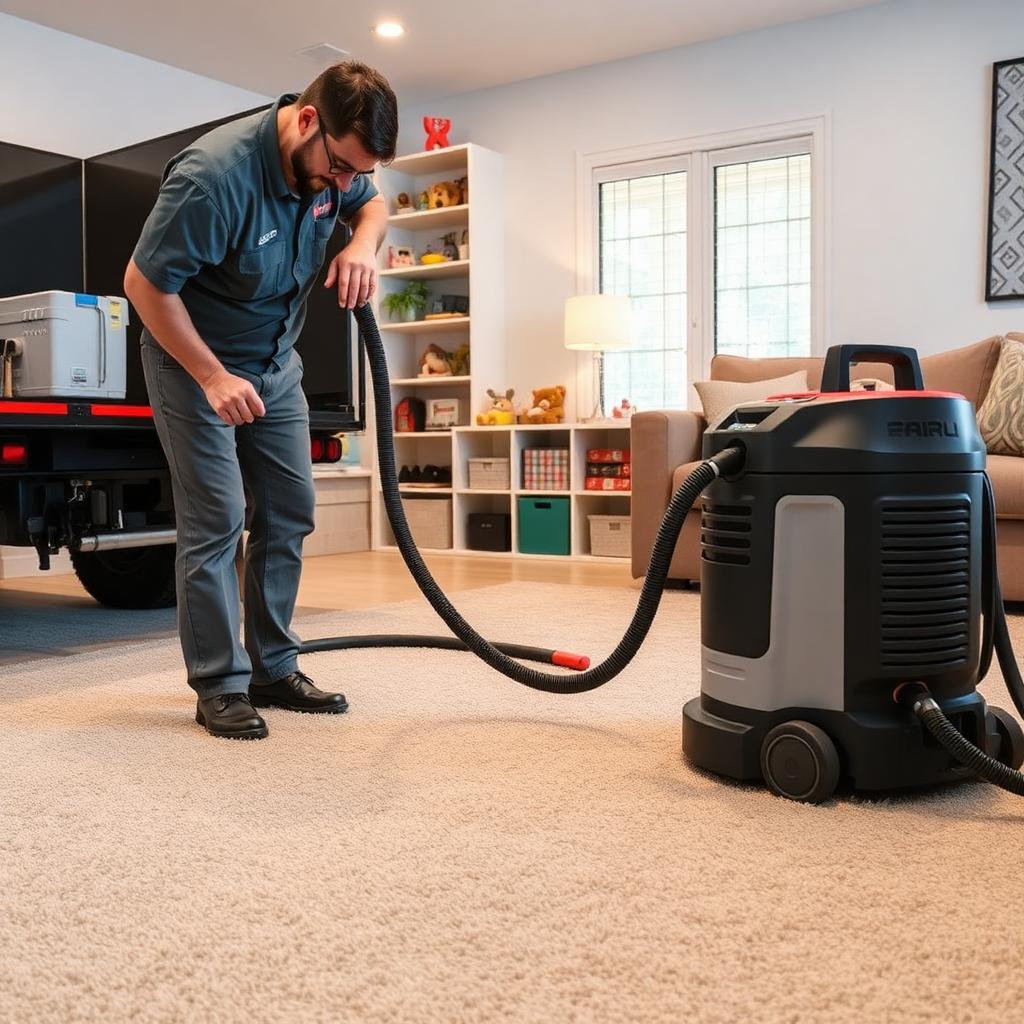
Advanced HEPA-filtration vacuum systems utilized during the pre-cleaning stage capture approximately 99.9% of particulates down to 0.3 microns. This makes sure that the dust agitated throughout the cleaning process does not settle elsewhere in the home or aggravate the eyes and nose of the homeowners. For families in Alamo and surrounding rural locations, where farming dust and seasonal pollens can be widespread, this attention to air filtration is a crucial part of a healthy home environment. The result is a noticeable improvement in air freshness and a decrease in seasonal allergic reaction signs for every family member.
Sustainable Disposal and Item Life Process
The dedication to environmentally friendly fabric care in 2026 extends to the disposal of cleaning wastewater. Modern expert equipment often consists of on-board purification that separates particles from the water, enabling safe disposal in local sewage system systems. This prevents heavy metals or focused contaminants from entering regional waterways or soil. House owners are significantly asking about the naturally degradable scores of the items utilized in their houses, making sure that the entire lifecycle of the cleaning process lines up with their ecological values. This transparency has ended up being a standard expectation in the residential service industry.
Additionally, the trend of "repair work and revitalize" has actually overtaken the previous practice of changing furniture every couple of years. Top quality upholstery cleansing can bring back a couch to its original state, conserving it from a landfill and reducing the carbon footprint connected with making new furnishings. In 2026, the financial benefit of maintaining existing possessions outweighs the cost of purchasing brand-new, particularly when sustainable cleansing approaches keep items looking brand-new for a decade or more. This shift towards resilience and maintenance reflects a more mindful approach to intake in American homes, where quality is valued over quantity.
House owners are now better geared up than ever to preserve their living areas without jeopardizing their health or the environment. The concentrate on plant-based chemistry, water preservation, and enhanced air quality ensures that the contemporary house remains a safe sanctuary. By selecting methods that appreciate the fragile balance of fabric structure and indoor ecology, locals in West Tennessee and throughout the country are setting a brand-new standard for home care. The advancement of fabric maintenance in 2026 proves that a clean home and a healthy planet can undoubtedly exist in harmony.

Table of Contents
Latest Posts

Maintaining the Softness of Delicate Fabrics After Expert Cleansing

Maintaining the Softness of Delicate Fabrics After Professional Cleansing

Naturally Degradable Solutions Altering the Face of Home Care
Latest Posts
Maintaining the Softness of Delicate Fabrics After Expert Cleansing
Maintaining the Softness of Delicate Fabrics After Professional Cleansing
Naturally Degradable Solutions Altering the Face of Home Care